Written by Stephen Rohrer, Wealth Manager
(This is Part IV of a four-part series. We recommend starting with Leaving Firm Foundations Part I: Don’t Leave Holes)
As we have explored how to steward well and leave firm foundations for our children and grandchildren, we discussed how to create opportunity for them and what resources they will need. Now we turn to the vital component of both good stewardship and a firm foundation: Wisdom. Wisdom is the keystone, the engineering, and the mortar that holds the foundation together. Thanks to the faithfulness and wisdom of many of our Christian forebears in the West, we have enjoyed substantial opportunity and resources. But for decades now, we have not been led by wisdom.
Without wisdom, we are swiftly losing both the resources and the opportunity.
Acknowledge Our Limitations
Where do we get wisdom? It’s no mystery. The Bible gives us a roadmap. In his book on wisdom, King Solomon tells us where to start: “The fear of the Lord is the beginning of wisdom” (Prov. 9:10). Wisdom begins with the fear of God: We must acknowledge that someone knows more than we do. That someone is God. If we humble ourselves and seek to know what He has said, then we will become wiser. Of course, the most important result of fear of God is to realize that we need the sacrificial death of His Son, Jesus, on the cross to restore our right relationship with him. Only through acknowledging our insufficiency and humbling ourselves can we begin to truly grow in wisdom.
In her book Mindset, Carol Dweck unwittingly came to a similar conclusion via empirical studies. She called it growth mindset vs fixed mindset. Those with a growth mindset saw every moment of their life as an opportunity to be taught, to be challenged, and to learn. These individuals saw their intelligence as something that could always be increasing. It did not matter what their IQ was or what level of education they had; they were willing to be stretched and instructed. They acknowledged that they did not know everything.
On the other hand, those with a fixed mindset refused to be put in a position that endangered their self-image of knowing everything. She found that these same individuals thought intelligence was fixed at birth. Therefore, everyone is either smart or dumb. Because of that mindset, they are unwilling to receive instruction or teaching. As Solomon points out in Proverbs 9:
7 “Whoever corrects a scoffer gets himself abuse,
and he who reproves a wicked man incurs injury.
8 Do not reprove a scoffer, or he will hate you;
reprove a wise man, and he will love you.
9 Give instruction to a wise man, and he will be still wiser;
teach a righteous man, and he will increase in learning.”
While Dweck’s mindset categories have some overlap with wisdom and folly, they are not the same. A wise person absolutely has a growth mindset: he absorbs correction eagerly because he wants to improve. But someone with a growth mindset as she defines it is not necessarily a wise person.
This relates to the difference between knowledge and wisdom. They are similar and related but different. Learning facts and reading books gives us a solid base of knowledge; wisdom helps us know what to do with knowledge. This is why sometimes you will meet someone who does not have an excellent SAT score but gives excellent, wise counsel. Conversely, there are many individuals with genius level IQs who cannot seem to make good (i.e. wise) decisions in their life.
For someone to receive correction in either knowledge or wisdom, they need humility. There is a difference in receiving correction in knowledge and memorizing facts to feed one’s own ego. Even proud people can increase their “book” knowledge to a certain degree from lists, maps, and scientific data, but truly receiving correction in knowledge or wisdom requires a humble heart. This is why memorizing data does not impart wisdom.
Saturate Our Minds with True Wisdom
Once we humble ourselves, fear God, and acknowledge He is the source of true Wisdom, then there are further steps we need to take on our quest for wisdom. The next step is listen to and read revealed Wisdom. Reading Proverbs over and over again steeps our thinking in true wisdom. The more we know what wisdom looks like, the easier it will be to recognize foolishness when it appears before us.
In Proverbs 1,
22 How long, O simple ones, will you love being simple?
How long will scoffers delight in their scoffing
and fools hate knowledge?”
23 If you turn at my reproof,
behold, I will pour out my spirit to you;
I will make my words known to you.
24 Because I have called and you refused to listen,
have stretched out my hand and no one has heeded,
25 because you have ignored all my counsel
and would have none of my reproof,
26 I also will laugh at your calamity;
I will mock when terror strikes you,
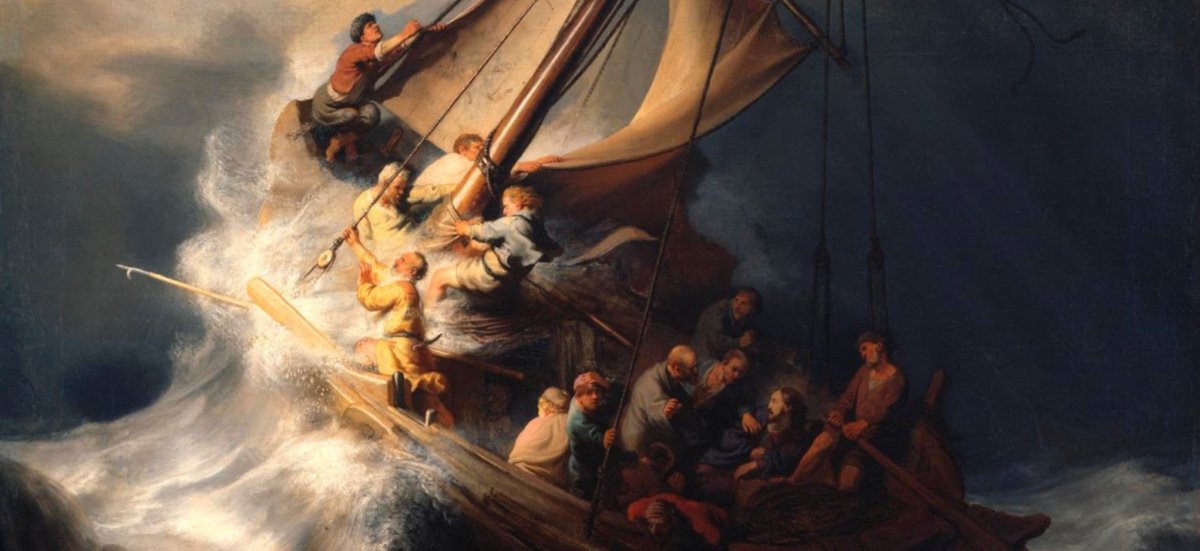
27 when terror strikes you like a storm
and your calamity comes like a whirlwind,
when distress and anguish come upon you.
28 Then they will call upon me, but I will not answer;
they will seek me diligently but will not find me.
29 Because they hated knowledge
and did not choose the fear of the Lord,
30 would have none of my counsel
and despised all my reproof,
31 therefore they shall eat the fruit of their way,
and have their fill of their own devices.
32 For the simple are killed by their turning away,
and the complacency of fools destroys them;
33 but whoever listens to me will dwell secure
and will be at ease, without dread of disaster.”
Be warned! We ignore wisdom at our peril. Foolishness destroys its own. God can simply allow fools to “eat the fruit of their way.” This brings “distress and anguish” and “calamity . . . like a whirlwind.” The calamity of our foolishness will affect our children and grandchildren. As Solomon says in Prov. 2:22, “the wicked will be cut off from the land . . .”. Just think for a moment of people you have known. Think of all the families who are destroyed by rejection of wisdom.
Ask God for Greater Wisdom
Next, we must ask God. Wisdom is most needed when there is confusion or lack of clear right and wrong. Many situations involve weighing out which is the best choice among several good things. If you’ve ever taken a test with “choose the best answer” questions, you know the frustration and difficulty this causes. This is when we must rely on God. In the book of James, we are told that if we seek wisdom, we can ask for it from God. “If any of you lacks wisdom, let him ask God, who gives generously to all without reproach, and it will be given him.” (James 1:5). Not only does God say we might get it, but He promises to give it liberally to all who ask “in faith, with no doubting” (v6).
Surround Yourself with the Wise
It matters who we spend time with. “Whoever walks with the wise becomes wise, but the companion of fools will suffer harm.” (Prov. 13:20). Both Wisdom and Foolishness are contagious. Jim Rohn’s adage, “You are the average of your five closest friends” certainly has a lot of truth. As Paul says “Do not be deceived: ‘Bad company ruins good morals’ ” (1 Cor. 15:33). The interests, hobbies, and mindsets of the people we interact with most rub off on us whether we admit it or not. You can either be jostled down a path to folly or help each other up the road to wisdom. Realize that our choices with friends can have an even more significant impact on our children than they do on us. They will be the adult figures that speak into your children’s lives and can powerfully influence the way they view the world.
Walking with the wise also includes the things with which we are saturating our minds: the books, podcasts, movies, and music we consume either lead us towards wisdom or towards foolishness. Given how many hours we can spend consuming those things, they are often literally who we are walking with. Consider carefully. Are you walking with the wise in your entertainment or are you the virtual companion of fools? Furthermore, these decisions also affect our children. Our entertainment choices become the entertainment our children feed on as well.
But how do we know if our friends or entertainment are wise? By spending time in God’s word and asking Him for wisdom.
Conclusion of the Matter
The stakes are very high. Our lives, our children’s lives, the strength of our civilization, and future of our people depends on wisdom. Without the mortar of wisdom from God, the foundations crumble. Folly will continue to spread strife, ugliness, and disorder. But building with wisdom upon the cornerstone of our salvation through Jesus Christ will hold together the foundation for our posterity. The recipe for us to obtain wisdom is to fear God, saturate our mind in His Word, ask Him for more wisdom, and surround ourselves with the wise. If we follow these steps and teach our children and grandchildren to do the same, we will increase in wisdom. And that is a wonderful thing. Be encouraged! The source of wisdom Himself wants us to be wise. “Whoever listens to me will dwell secure and will be at ease, without dread of disaster.” (Prov. 1:33).
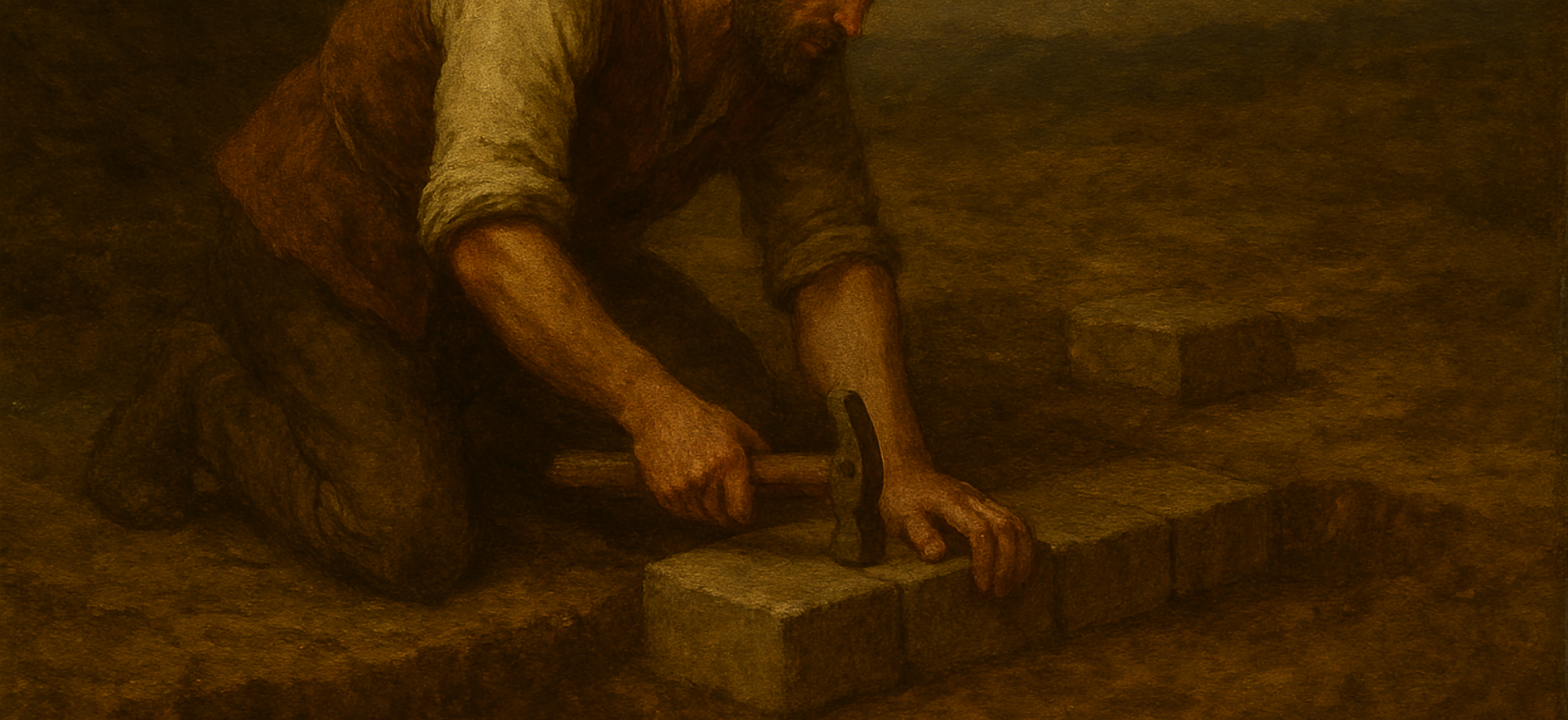
Once we have wisdom, we can lay the foundations of opportunity and resources for our descendants to build upon. Do not be fooled. This work of building will not just fall into place. We must build upon the Rock of Ages, our Saviour, Jesus Christ and pray that God will bless our work. For we know that “unless the LORD builds the house, those who build it labor in vain.” (Ps. 127:1). Then it will take careful thinking, great denial of self, and vast amounts of sweat. But it is worth it. Now the work begins.
All Scripture quotations are from the English Standard Version (ESV) unless otherwise noted.
(This article has been modified by the author from the original form on his blog at EnterpriseonPurpose.com)