~5 minute read
By Steve Virkler (Wealth Manager) at Life Financial Group
Originally shared on the Life in the Markets podcast — 6/1/2026
Subscribe on Apple Podcasts or Spotify.
*Note: you will get the most out of this market update by watching the video above*
Market Update for June 1, 2026
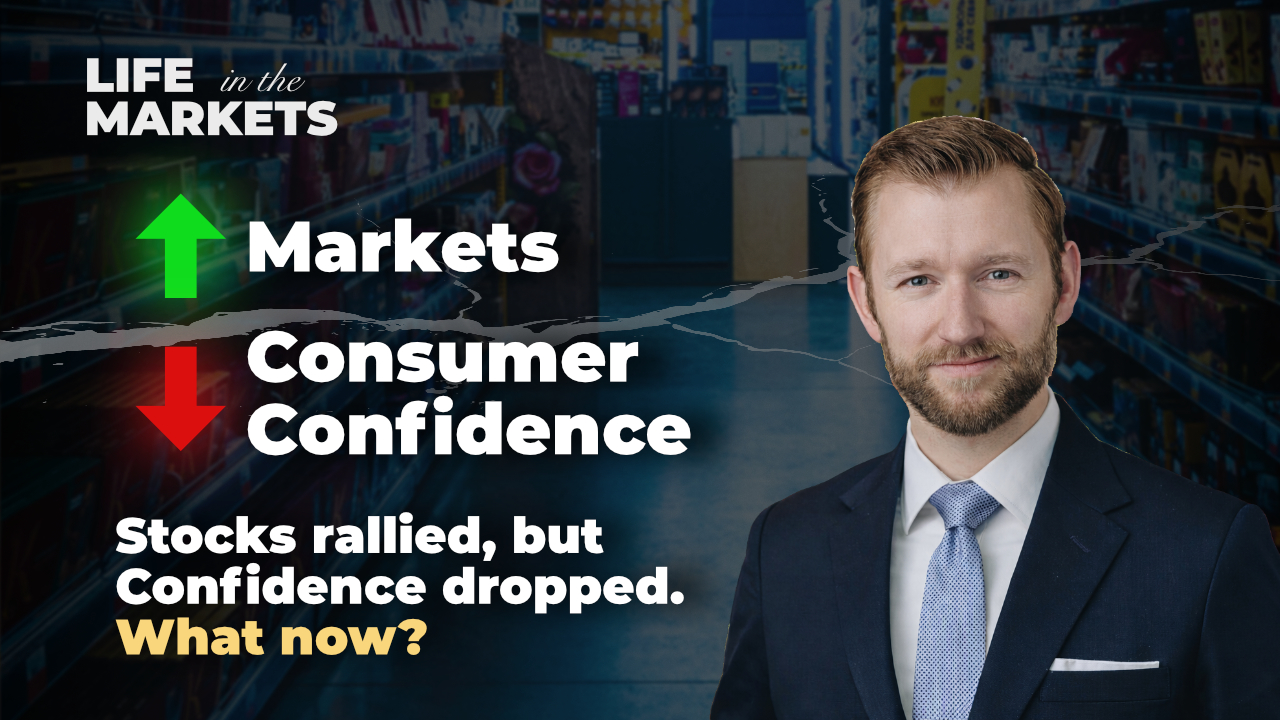
Markets Reach New Highs, But Inflation Keeps Investors Cautious
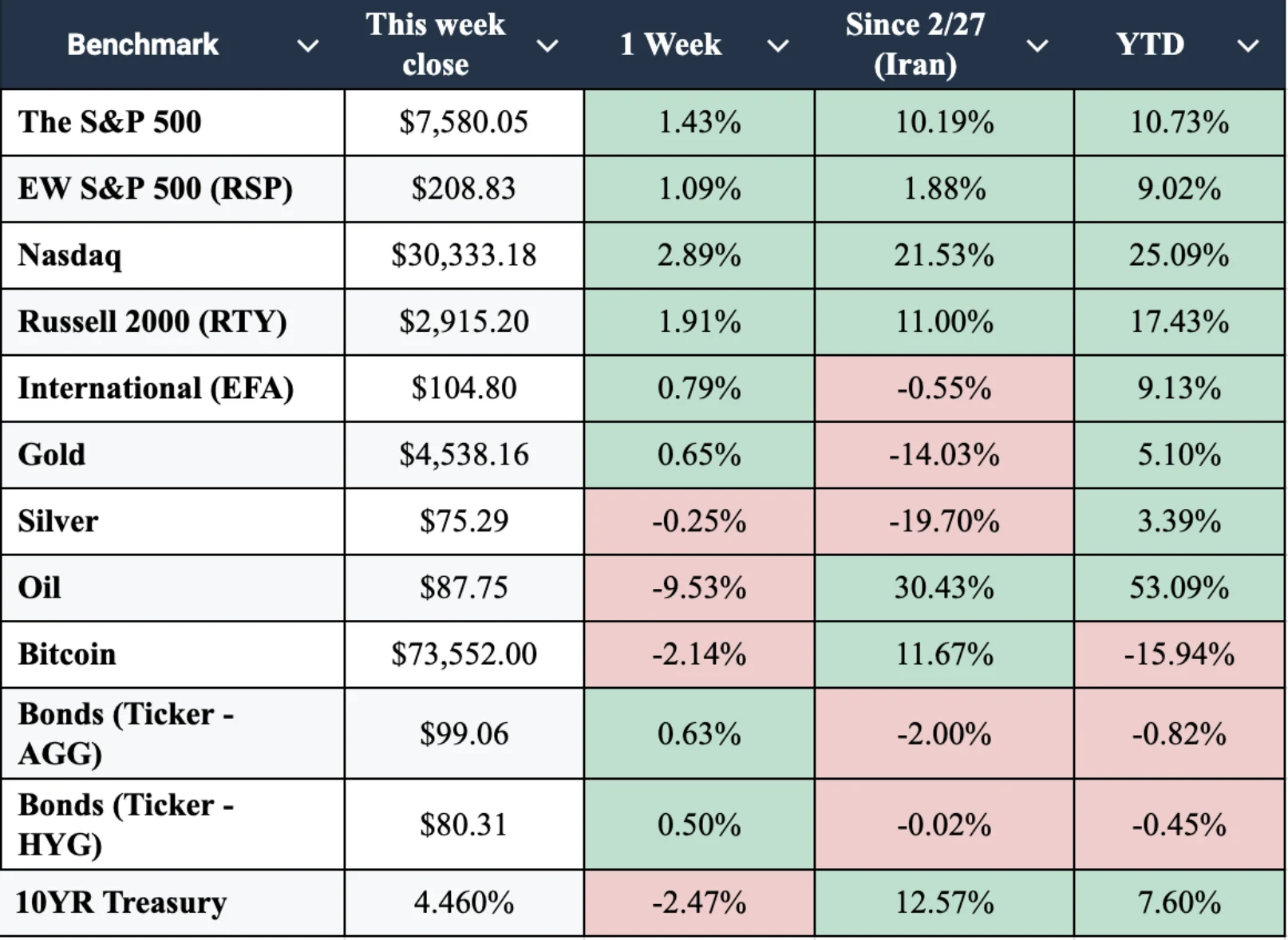
The stock market’s impressive rally continued last week, with all three major U.S. indexes finishing at record highs. Investor optimism was fueled by reports of progress toward a Middle East ceasefire, strong corporate earnings, and continued enthusiasm surrounding artificial intelligence.
At the same time, inflation data reminded investors that challenges remain. While markets are celebrating new highs, economic uncertainty continues to linger beneath the surface.
So what should investors make of these mixed signals?
A Rare Winning Streak for Stocks
The S&P 500 recorded its ninth consecutive weekly gain, a rare occurrence that has happened only a handful of times over the past 70 years.
Historically, stretches like this have often occurred during the earlier stages of bull markets and have generally been followed by positive returns over the next six to twelve months. While history never guarantees future results, the trend suggests that momentum can remain intact longer than many expect.
The market’s strength has been remarkable in 2026:
- The S&P 500 has recorded 22 all-time highs this year.
- The index has gained more than 18% since the end of the first quarter.
- The NASDAQ has climbed approximately 28% over the same period.
For perspective, the record for the most all-time highs in a single year was set in 1995 when the S&P 500 reached 77 record closes.
The question is: How long can this winning streak be sustained?
Technology Continues to Lead
Technology stocks remain one of the primary drivers behind the market’s gains.
AI-related demand continues to support strong earnings growth across the sector. Companies connected to artificial intelligence have seen increased investor interest, helping lift both the NASDAQ and broader market indexes.
However, one encouraging sign is that the rally is no longer being driven solely by technology.
Several cyclical sectors, including financials, industrials, and materials, have also reported earnings growth exceeding 20%. Small-cap stocks have participated in the advance as well, suggesting broader strength throughout the economy.
This widening participation often indicates healthier market conditions than a rally concentrated in only a few companies.
Oil Prices Fall as Geopolitical Tensions Ease
Energy was one of the market’s weakest-performing sectors last week.
Oil prices declined nearly 10% as investors became more hopeful that disruptions in the Middle East could ease and that key shipping routes would remain accessible.
Lower energy prices can provide relief for consumers and businesses alike, though geopolitical developments remain an area investors should continue monitoring closely.
Celebrating 130 Years of the Dow Jones Industrial Average
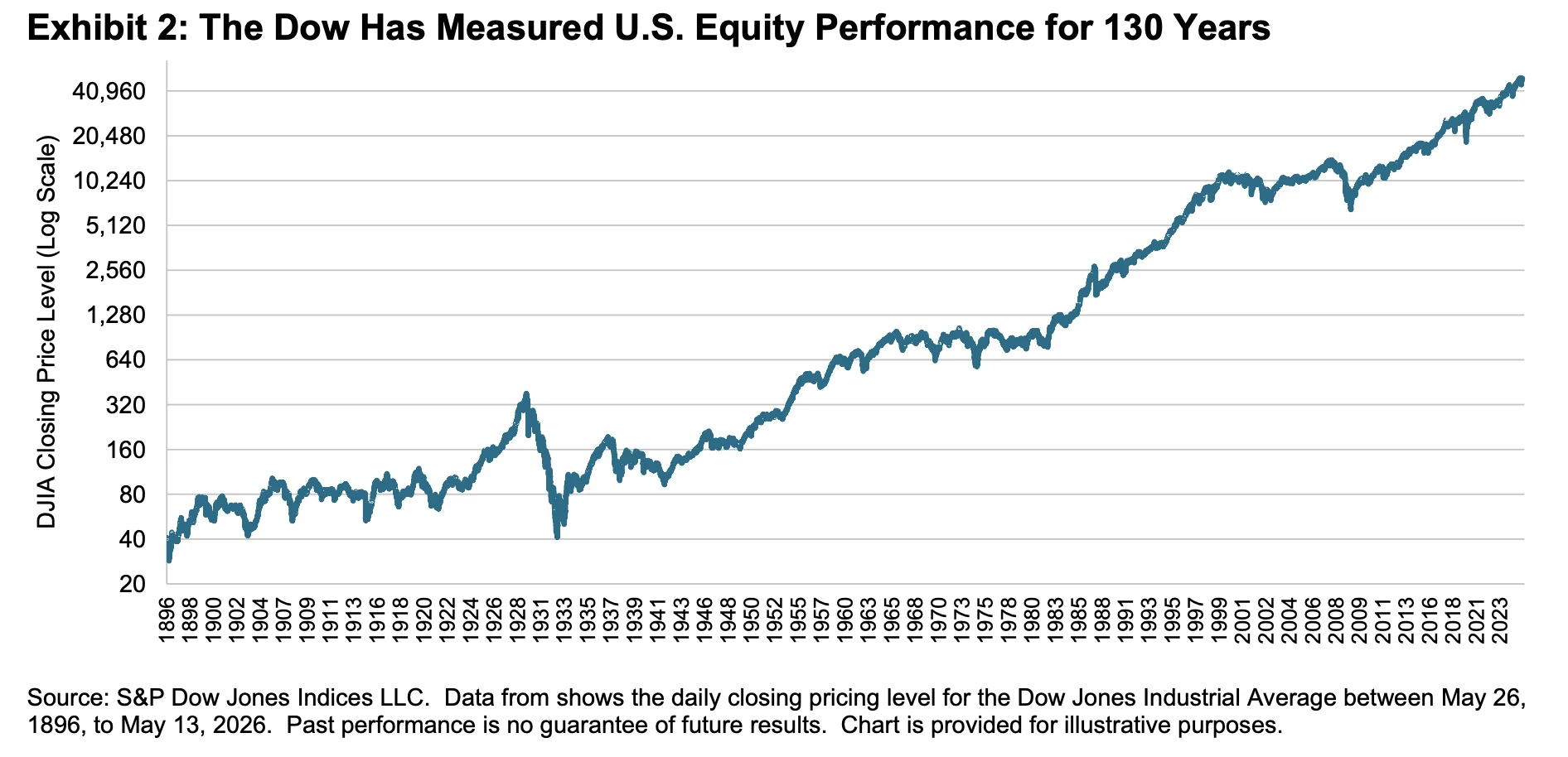
The Dow Jones Industrial Average reached another milestone last week, not only setting a new record high but also celebrating its 130th birthday.
Created by Charles Dow in 1896, the index originally tracked just 12 industrial companies. Today it follows 30 large, established U.S. businesses and remains one of the most recognized measures of stock market performance.
Over more than a century, the Dow has helped investors navigate wars, recessions, technological revolutions, and economic expansions. Despite changes in methodology and market structure, it continues to serve as a valuable snapshot of the health of America’s largest companies.
Inflation Remains the Biggest Concern
While stocks celebrated new highs, inflation data tempered some of the enthusiasm.
The Federal Reserve’s preferred inflation gauge, the Personal Consumption Expenditures (PCE) Price Index, showed inflation remains stubbornly elevated.
Key inflation takeaways included:
- Headline PCE increased 0.4% for the month.
- Core PCE, which excludes food and energy, rose 3.3% over the past year.
- The three-month annualized Core PCE rate reached 3.8%, well above the Federal Reserve’s 2% target.
Several Federal Reserve officials have expressed concern that inflation is moving in the wrong direction. As a result, investors will be paying close attention to the Fed’s upcoming meetings and future interest-rate decisions.
Inflation remains one of the most significant risks facing the economy today. Higher inflation can lead to higher interest rates, increased borrowing costs, and slower economic growth.
Consumers Are Feeling the Pressure
Consumer confidence declined in May, although not as much as economists expected.
Many consumers continue to cite concerns about:
- Rising prices
- Gasoline costs
- Economic uncertainty
- Geopolitical risks
Surveys indicate that many households are cutting back on spending, delaying major purchases, and looking for lower-cost alternatives.
At the same time, consumer spending remains surprisingly resilient. Employment levels remain stable, household balance sheets are generally healthy, and many retailers continue reporting stronger-than-expected results.
This creates a somewhat contradictory picture: consumers are cautious, but they are still spending.
What Does This Mean for Investors?
The current environment is best described as optimistic, but cautious.
On one hand:
- Corporate earnings remain strong.
- Employment remains healthy.
- Consumers continue spending.
- Stock market momentum is positive.
On the other hand:
- Inflation remains elevated.
- Energy prices remain unpredictable.
- Geopolitical uncertainty persists.
- Businesses are seeking greater clarity about future economic conditions.
These competing forces may continue to define the remainder of 2026.
Stay Focused on the Long Term
If there is one lesson investors should take from today’s market environment, it is the importance of maintaining long-term discipline.
Markets will always face uncertainty. Headlines change daily. Economic data often sends mixed signals. Yet successful investing has never depended on accurately predicting every short-term development.
Instead, investors are best served by remaining diversified, maintaining a prudent investment strategy, and staying committed to their long-term goals.
As believers, our confidence ultimately rests in something greater than market performance or economic forecasts.
As Romans 15:13 reminds us:
“May the God of hope fill you with all joy and peace in believing, so that by the power of the Holy Spirit you may abound in hope.”
The markets may be optimistic but cautious. As Christians, we can remain hopeful regardless of what the markets do next.
Stay Connected
Have questions or topics you’d like us to cover in a future episode? Email us at contact@thelifegroup.org with “Life in the Markets” in the subject line.
✅ Like, comment, and subscribe on YouTube
🎧 Listen to the audio podcast wherever you get your shows
📘 Pick up a copy of The Good Steward to grow in your financial discipleship

Disclaimer: The topics discussed here are for informational purposes only and do not constitute specific investment advice. Investing involves risks, including potential loss of principal. Past performance does not guarantee future results. Securities and advisory services offered through Geneos Wealth Management, member FINRA/SIPC.