By Steve Virkler (Wealth Manager) at Life Financial Group
Originally shared on the Life in the Markets podcast — 4/20/2026
Subscribe on Apple Podcasts or Spotify.
*Note: you will get the most out of this market update by watching the video above*
Market Update for April 20, 2026
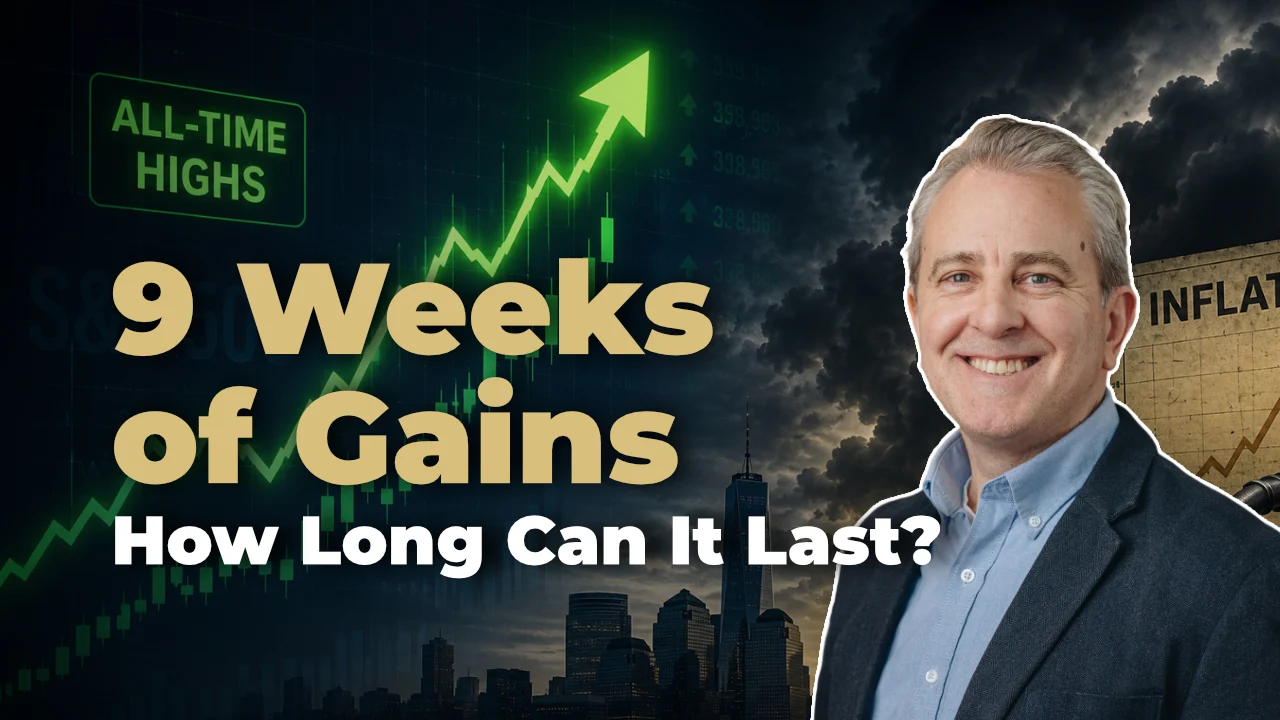
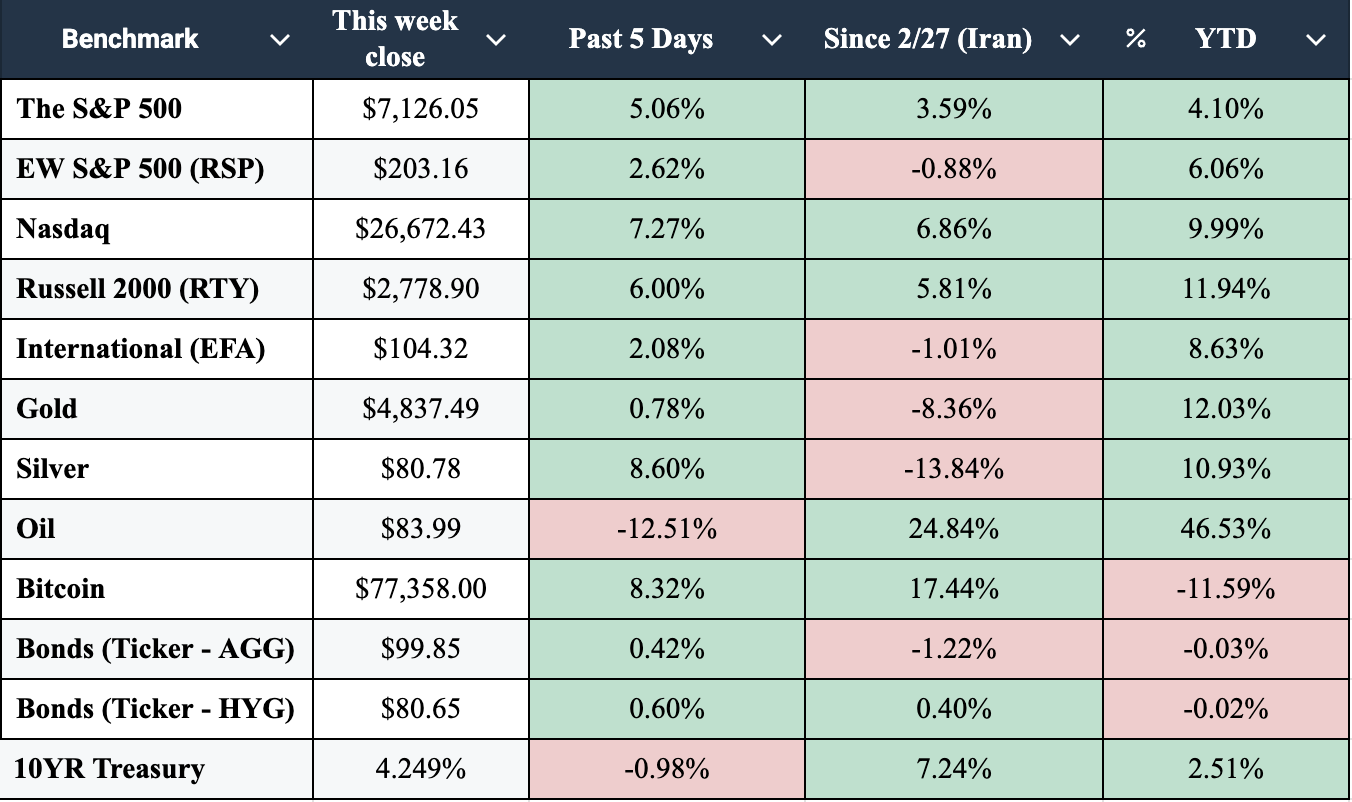
It was quite a week in the markets…Historic, in fact.
Just one week ago, markets were coming off a strong run, though momentum had started to slow. At the same time, geopolitical tensions were rising. A fragile ceasefire in Iran had collapsed, and the United States announced a naval blockade of the Strait of Hormuz. With uncertainty building, markets appeared poised for volatility.
And yet, by the end of the week, stocks reached record highs. Let’s break down what happened.
Geopolitical Tensions Set the Stage
At the start of the week, investors were watching several key risks:
- Ongoing conflict involving Iran
- A U.S. naval blockade impacting global shipping routes
- Concerns about energy supply disruptions
- Stalled peace talks, particularly around Iran’s nuclear program
The Strait of Hormuz, which handles roughly 20% of global oil and gas flows, became a focal point for global markets. Despite these risks, sentiment began to shift quickly.
Economic Data and Earnings Spark Optimism
By Tuesday, encouraging economic data helped stabilize investor confidence:
- Producer Price Index (PPI): Rose 0.5% vs. 1.1% expected
- Core goods prices: Increased just 0.2%, the slowest pace in four months
- Import prices: Rose 0.8%, well below expectations
These signals pointed to potential disinflation trends, easing concerns about persistent inflation. At the same time, earnings season got off to a strong start:
- Major U.S. banks reported better-than-expected earnings
- CEOs highlighted resilient consumer spending and steady economic activity
- S&P 500 earnings growth expectations were revised up to 12%
Technology is expected to lead earnings growth, with projections near 40%, while 8 of 11 sectors are expected to post year-over-year gains.
Markets Reach Record Highs
By Wednesday, markets made history:
- The S&P 500 closed above 7,000 for the first time ever
- The index fully recovered from a 9% decline in just 16 days
- A ceasefire agreement and resumed oil tanker traffic boosted confidence
This type of rapid recovery is rare, but not unprecedented. Historically, when the S&P 500 rebounds quickly from a pullback:
- Markets often continue higher
- Average returns over the next six months have been around 5.5%
While history is not a guarantee, it provides encouraging context.
Oil Prices Drop…A Positive Signal
Another major development last week was a sharp decline in oil prices:
- WTI crude fell 9% on Friday alone
- Prices dropped from $96 to $83 per barrel in one week
- Oil remains up over 40% year-to-date
The decline was driven by reduced geopolitical risk and the reopening of key shipping routes. Lower oil prices can have meaningful economic benefits, such as reduced inflation pressure, lower gas prices for consumers, and relief for energy-intensive industries
Additional highlights:
- Three consecutive days of record highs (first since October 2025)
- Strong performance driven by technology stocks and the AI-driven growth cycle
- Best sectors: Technology (+8.23%), Consumer Cyclicals (+6.35%)
- Worst sectors: Energy (-3.54%), Utilities (-1.43%)
Labor Market Remains Strong
Another encouraging signal: low jobless claims. This continues to indicate a stable labor market, which supports consumer spending and overall economic growth.
What to Watch This Week
Key economic indicators to monitor:
- Retail Sales (Tuesday): Insight into consumer spending and economic growth
- Jobless Claims (Thursday): Signals labor market strength
- Consumer Sentiment (Friday): Reflects confidence levels and spending behavior
Geopolitical developments in the Middle East will also remain a key focus.
Do Geopolitical Events Impact Markets Long-Term?
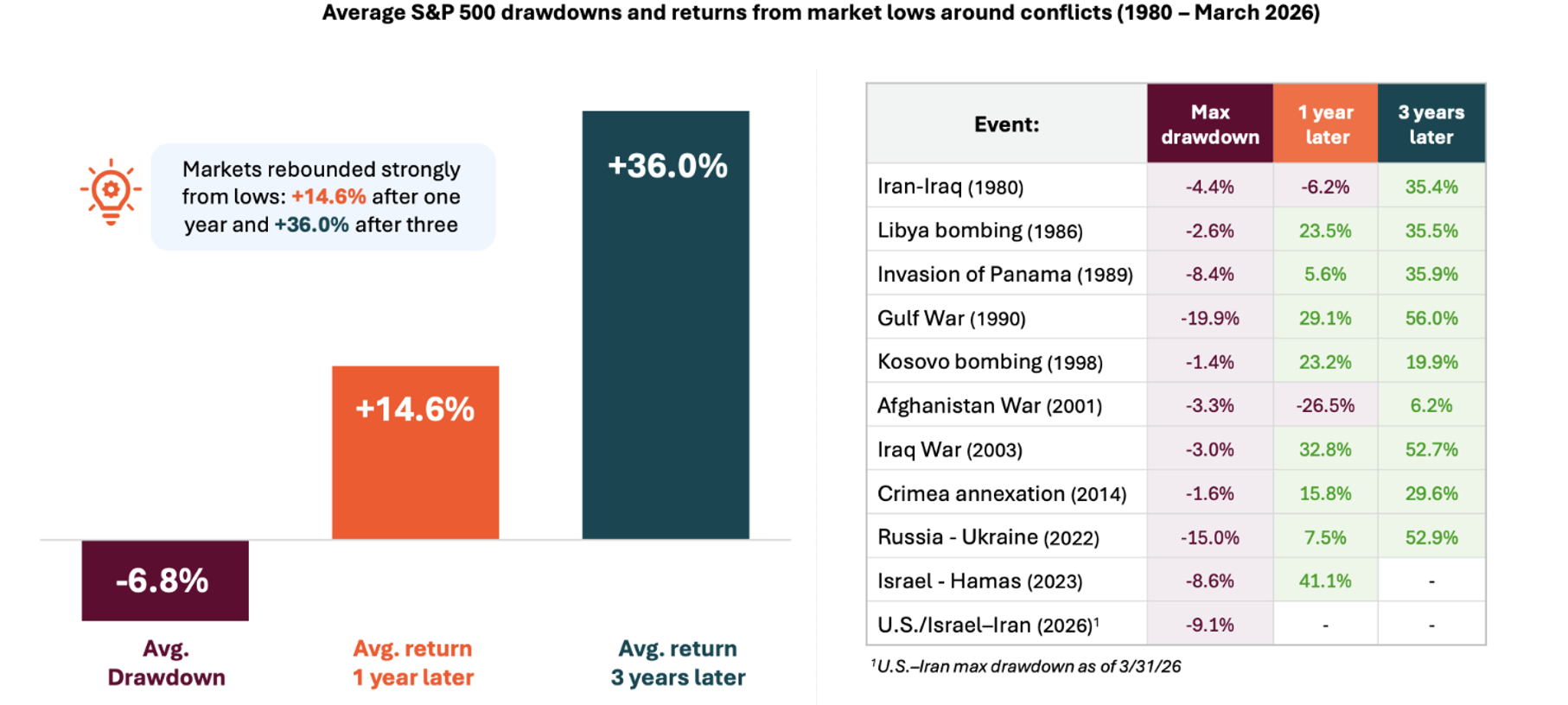
While geopolitical crises often create short-term volatility, history shows they tend to have limited long-term impact on markets. Research indicates:
- Markets typically recover within a year after geopolitical-driven declines
- In 8 out of 10 major events since 1980, markets were positive one year later
- After three years, markets were positive in every case, often significantly
Over time, economic fundamentals, not headlines, drive market performance.
Key Takeaways for Investors
- Stay invested
- Remain disciplined
- Avoid trying to time the market
- Maintain diversification
- Focus on long-term outcomes
- Avoid reacting emotionally to headlines
We’ve already seen this principle play out in recent weeks.
A Final Word of Perspective
“Give thanks to the Lord, for he is good; his love endures forever.” — 1 Chronicles 16:34
In both rising and falling markets, this truth remains constant. Our ultimate trust is not in markets, headlines, or our own understanding, but in the Lord. And in that, we can find lasting peace and confidence.
Stay Connected
Have questions or topics you’d like us to cover in a future episode? Email us at contact@thelifegroup.org with “Life in the Markets” in the subject line.
✅ Like, comment, and subscribe on YouTube
🎧 Listen to the audio podcast wherever you get your shows
📘 Pick up a copy of The Good Steward to grow in your financial discipleship

Disclaimer: The topics discussed here are for informational purposes only and do not constitute specific investment advice. Investing involves risks, including potential loss of principal. Past performance does not guarantee future results. Securities and advisory services offered through Geneos Wealth Management, member FINRA/SIPC.